
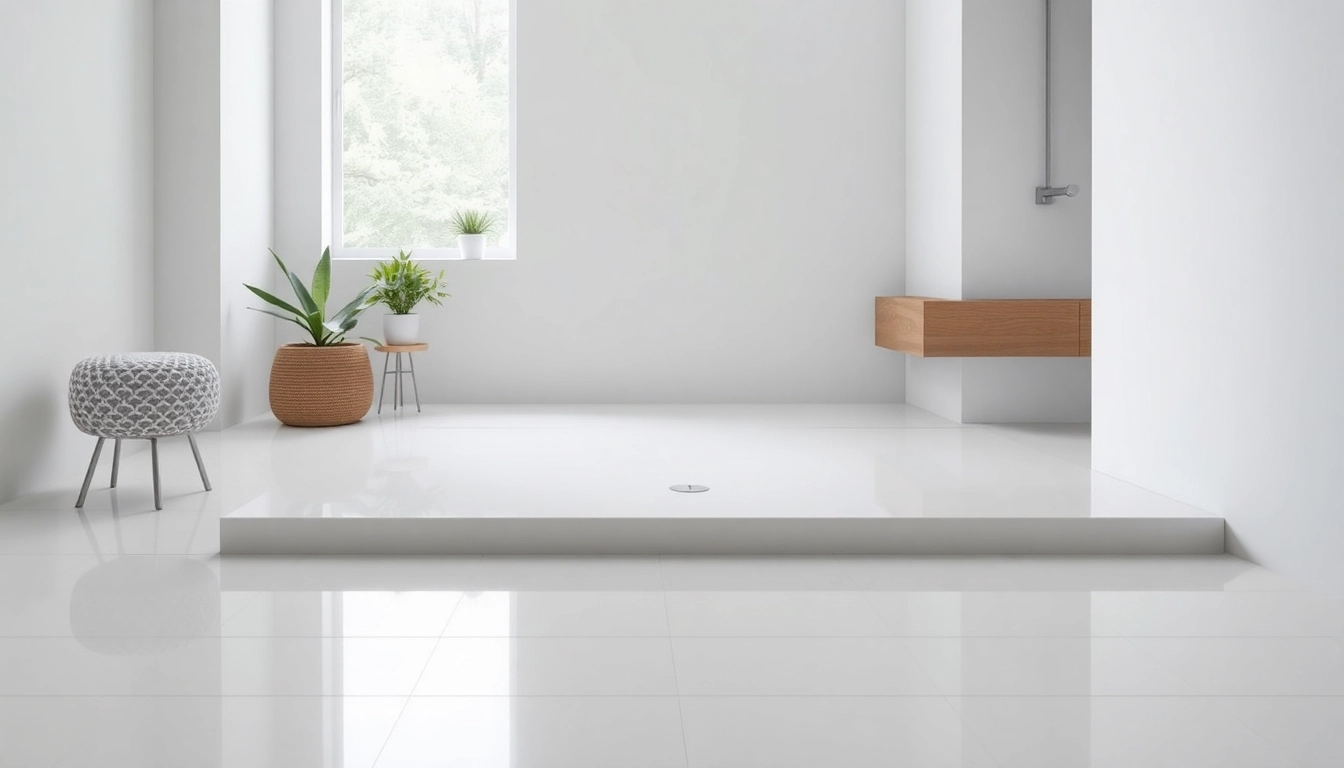
Understanding Your Shower Base Options
When embarking on a bathroom renovation or a simple shower upgrade, one of the most crucial aspects to consider is the shower base. This essential component serves as the foundation for your shower setup and comes in various types, materials, colors, and designs. Understanding the available options will guide you in making a well-informed decision that enhances both functionality and aesthetics in your bathroom.
Types of Shower Bases: An Overview
Shower bases are typically classified into several types, each catering to different design preferences and functional requirements. The most common types include:
- Alcove Shower Bases: These are surrounded by three walls, fitting neatly into a corner of the bathroom. They maximize space and are perfect for smaller bathrooms.
- Neo-Angle Shower Bases: Featuring a unique design that allows for angled walls, these bases create more room in the shower while maintaining a sleek look.
- Curbless Shower Bases: These modern designs offer a seamless transition from the bathroom floor to the shower, promoting accessibility and ease of cleaning.
- Freestanding Shower Bases: Ideal for larger bathrooms, these bases can stand alone and provide flexibility in shower placement.
Material Choices for Shower Base
The material selected for your shower base plays a significant role in its durability, maintenance, and overall appearance. Here’s a breakdown of popular materials used:
- Acrylic: Lightweight and easy to install, acrylic shower bases are resistant to mold and mildew, making them a popular choice.
- Fiberglass: Known for affordability and versatility, fiberglass bases are often used in budget renovations but may require more maintenance over time.
- Ceramic Tile: While offering a plethora of design options, ceramic requires a more complex installation process and must be properly sealed to prevent water damage.
- Stone: Natural stone bases, like marble or granite, offer a luxurious feel but come with higher costs and require regular maintenance.
- Composite Materials: A blend of other materials, composites are designed to combine the benefits of various options, offering durability and aesthetic appeal.
Color and Design Variations of Shower Base
Gone are the days of dull and standard shower bases. Today, they are available in a multitude of colors and designs to match any bathroom decor. From vibrant tiles to subtle earth tones, the choices are nearly limitless. Design elements can include:
- Textured Finishes: Textured surfaces can provide additional grip and slip resistance, enhancing safety.
- Custom Patterns: Many manufacturers now offer custom pattern options or designs that integrate with bathroom themes, from modern minimalist to rustic.
- Frameless Options: For a modern look, frameless designs create an illusion of space and are easier to maintain.
Factors to Consider When Selecting a Shower Base
Choosing the right shower base involves evaluating numerous factors specific to your space and needs.
Space Requirements for Your Shower Base
Before selecting a shower base, assess the available space in your bathroom. Larger bases offer a more comfortable experience, but they may not fit well in smaller areas. Consider the following:
- Measure the dimensions of the intended shower area, accounting for walls, fixtures, and other installations.
- Ensure that the base size complements the overall bathroom layout without making it feel cramped.
- Take future needs into account; if you plan on aging in place, a more spacious base may be beneficial.
Water Drainage and Installation Needs
Effective water drainage is pivotal in preventing leaks and ensuring hygiene. When selecting a shower base, evaluate:
- The slope of the base to facilitate water runoff towards the drain.
- The type and placement of your plumbing, as some bases may fit better depending on existing plumbing configurations.
- Professional installation versus DIY; complex designs might necessitate expert installation for optimal drainage.
Budgeting for Your Shower Base
Your budget is one of the primary considerations when selecting a shower base. Costs can vary significantly depending on the type, material, and installation method:
- Plan for both material and installation costs; while some bases are affordable, installation might require professional help, adding to the total expense.
- Don’t overlook ongoing maintenance costs associated with certain materials, as these can affect long-term value.
- Consider value for money; investing in a durable shower base can save you costs on repairs and replacements in the future.
Installation Tips for Your Shower Base
Preparing Your Bathroom for the New Shower Base
Before installation begins, ensure your bathroom is ready for the new base:
- Clear the area, removing any existing fixtures and debris.
- Inspect plumbing and existing flooring, making any necessary repairs or adjustments.
- Gather all tools and materials needed for installation to avoid interruptions.
Step-by-Step Installation Process
The installation process can vary based on the type of shower base. However, general steps include:
- Layout Preparation: Use a level to mark the correct height and ensure a proper slope for drainage.
- Dry Fit: Place the base into position without securing it to check for fit before permanent installation.
- Install the Drain: Follow the manufacturer’s instructions to set up the drain appropriately.
- Secure the Base: Install the shower base to the designated space and seal edges with waterproof caulk.
- Test for Leaks: Before completing the project, test the system to ensure everything functions properly.
Common Mistakes to Avoid During Installation
Installation can be tricky, especially if you’re not familiar with plumbing or construction. Here are common errors to avoid:
- Ignoring the manufacturer’s guidelines can lead to improper fitting and future complications.
- Failing to ensure proper drainage slope can cause water pooling.
- Not allowing adequate curing time for adhesives or caulks may lead to leaks.
Maintenance and Care of Your Shower Base
Once your shower base is installed, regular maintenance is key to ensuring its longevity and keeping it looking great.
Cleaning Solutions for Your Shower Base
Proper cleaning is essential for maintaining the appearance and hygiene of your shower base. Consider these tips:
- Use non-abrasive cleaners to prevent scratching surfaces. Choose appropriate cleaners based on the material of your base.
- Avoid harsh chemicals that could degrade surfaces over time. Opt for more natural cleaning solutions when possible.
- Regularly wipe down the base after use to prevent build-up of soap scum and mildew.
Preventing Damage to Your Shower Base
Prevention is the best strategy when it comes to avoiding damage:
- Keep heavy objects out of the shower area, as they can crack or dent the base.
- Avoid using aggressive cleaning tools like brushes with metal bristles that can scratch surfaces.
- Seal any grout (if applicable) regularly to prevent water penetration.
Long-Term Care Tips for Shower Base Durability
Enhancing the durability of your shower base involves regular upkeep and care:
- Inspect for cracks or stains regularly and address them promptly to avoid larger issues.
- Consider resealing your base materials as needed, especially if it’s made of tiles or natural stone.
- Stay informed about the particular needs of your shower base material for specialized care instructions.
FAQs about Shower Base
What is the best material for a shower base?
Popular materials include acrylic, fiberglass, and ceramic, each offering unique benefits regarding durability and maintenance.
How do I measure for a new shower base?
Measure the space where the shower base will go, considering width, length, and height to ensure a proper fit.
Can I install a shower base without professional help?
While DIY is possible, hiring a professional ensures proper installation and avoids potential plumbing issues.
How should I clean my shower base?
Use a mild cleaner to prevent scratches and damage, and regularly clean to maintain its appearance and hygiene.
What are common issues with shower bases?
Common issues include cracks, leaks, or discoloration, usually due to poor installation or maintenance practices.