Understanding the Role of a Destination Photographer
In the world of photography, few specialties are as rewarding yet challenging as that of a Destination photographer. This role extends beyond simply capturing beautiful images; it embodies the intricacies of travel, culture, and human connection. Destination photographers immerse themselves in new environments, harnessing their skills to tell compelling stories and promote unique locales through their lenses.
What a Destination Photographer Does
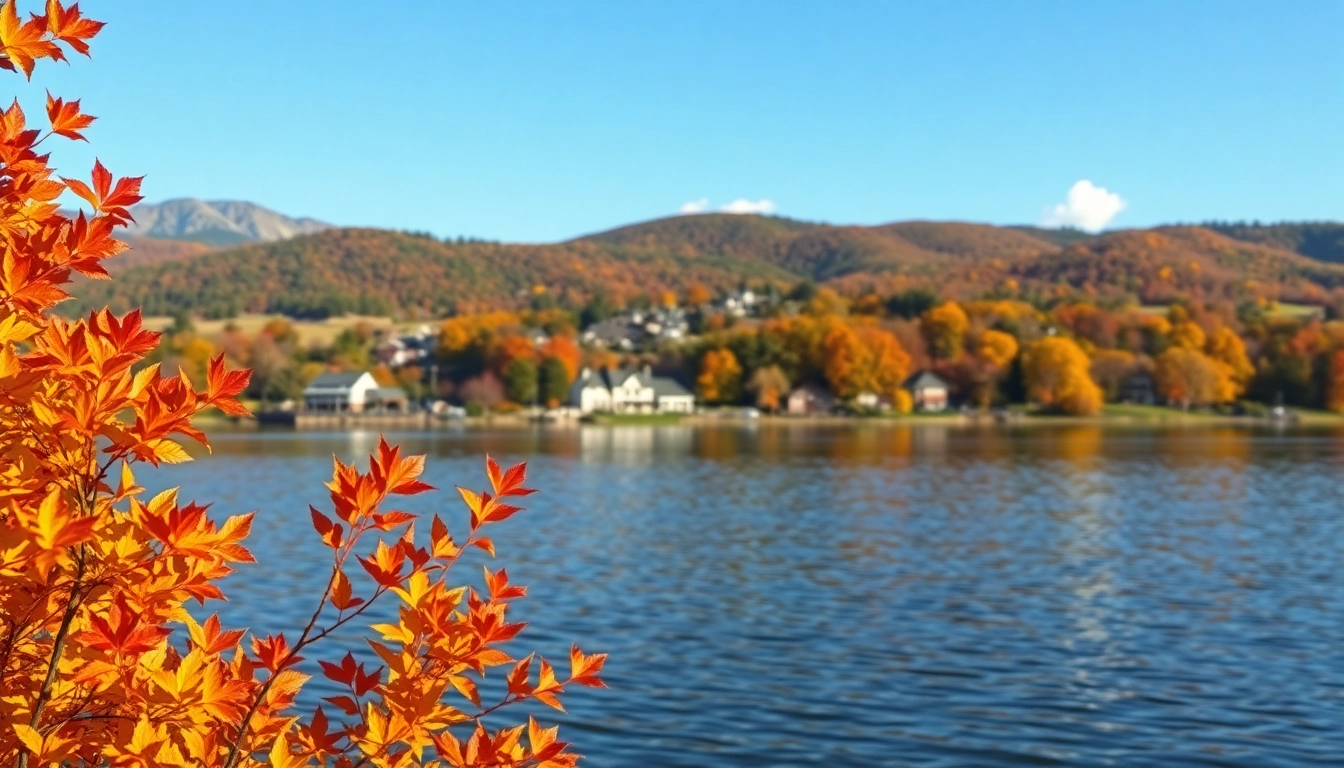
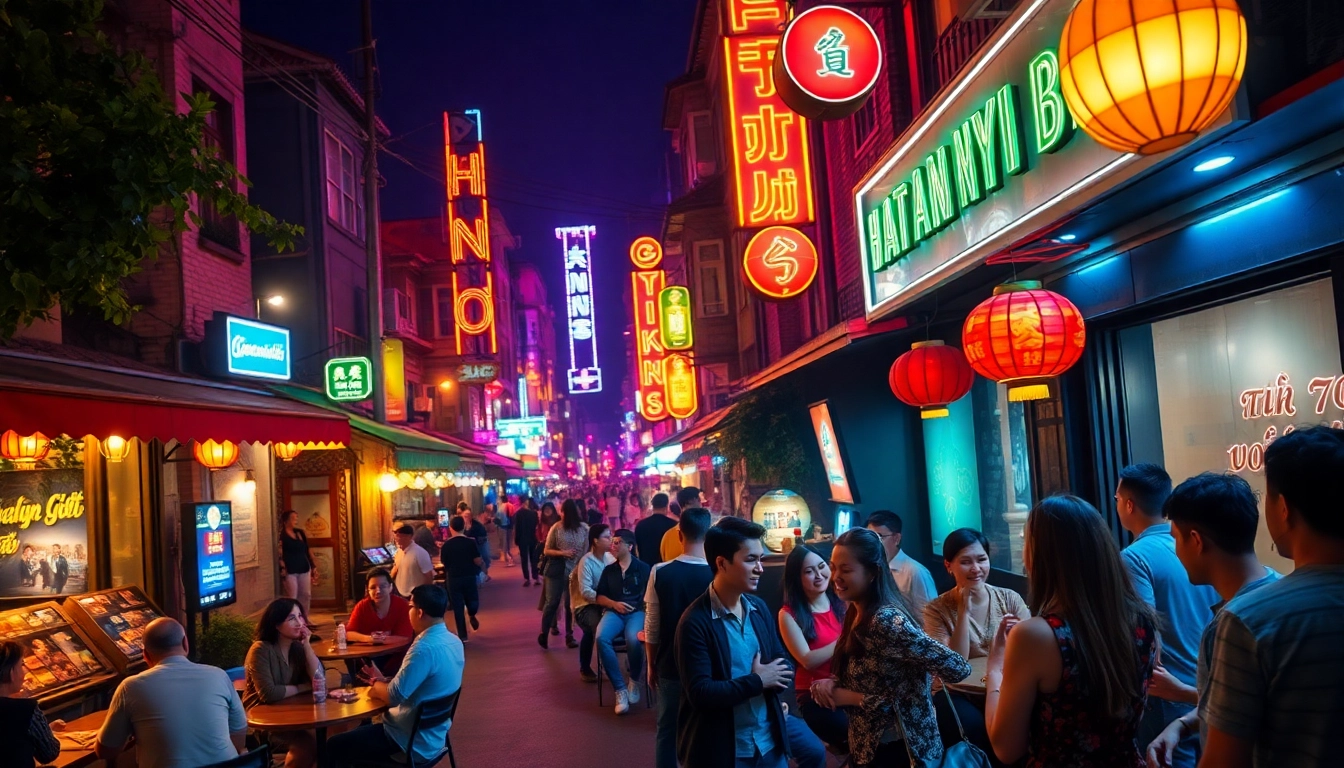
A destination photographer captures emotive and visually striking images at various travel locations. Whether photographing breathtaking landscapes, vibrant cityscapes, or intimate portraits of locals, their work is all about celebrating the essence of a destination. They often collaborate with travel companies, tourism boards, and clients seeking professional imagery for personal or marketing purposes. Their responsibilities may include handling logistics, conducting pre-shoot research, scouting locations, and adapting to unpredictable environments.
Key Skills for Success
Success as a destination photographer hinges on a combination of technical skills and soft skills. Some of the most essential abilities include:
- Technical Proficiency: Mastery of camera settings, exposure, composition, and editing software.
- Adaptability: Ability to adjust plans due to changing weather, locations, or client needs.
- Research Skills: Familiarity with cultural significance, local customs, and history to enrich storytelling.
- Excellent Communication: Effectively articulating ideas and collaborating with teams or subjects.
- Creative Vision: A unique artistic perspective that sets one’s work apart and resonates with audiences.
Importance in the Travel Industry
Destination photographers play a vital role in the travel industry by showcasing the beauty and allure of various locales. Their images help attract tourists, facilitate cultural exchange, and promote global awareness. From social media campaigns to travel brochures, the visual narratives created by these photographers contribute to destination branding, influencing travelers’ decisions. Furthermore, their work supports local economies by elevating potential tourist spots, preserving culture through visual storytelling, and inspiring responsible travel practices.
Essential Gear for Destination Photographers
The right gear can significantly impact the quality and effectiveness of a destination photographer’s work. A well-curated kit ensures readiness for various shooting conditions and environments, which is particularly crucial when traveling. Here are the essentials:
Camera Equipment Recommendations
To start, you’ll need a quality camera body, ideally one that performs well in low-light conditions. Mirrorless and DSLR cameras are popular choices due to their versatility. Additionally, having a range of lenses, such as wide-angle for landscapes and prime lenses for portraits, enhances flexibility. Some recommended equipment includes:
- DSLR or mirrorless camera: Nikon Z series or Canon EOS R series for high-quality images.
- Zoom and prime lenses: 24-70mm f/2.8 for versatility and 50mm f/1.8 for beautiful bokeh.
- Tripod: A lightweight but sturdy tripod for long exposure shots and stability in challenging environments.
- Camera bag: A durable, weather-resistant bag to protect gear during transit.
Accessories to Enhance Your Shots
Beyond the basics, accessories can elevate your photography. Consider including:
- Filters: Polarizing and ND filters can enhance colors and control exposure.
- External flash: Useful for low-light conditions or fill flash in bright sunlight.
- Extra batteries and memory cards: Essential for long shoots, preventing missed opportunities.
Importance of Backups and Maintenance
The reliability of your gear can make or break a shoot. Regular maintenance, including sensor cleaning and firmware updates, ensures optimal performance. Furthermore, always back up photographs immediately after returning from shoots. Use an external hard drive or cloud services, keeping multiple copies to safeguard your hard work. Adopting a systematic approach to gear backups can help mitigate the consequences of misplaced or damaged equipment.
Techniques for Captivating Travel Photos
Captivating travel photos tell stories, evoke emotions, and transport viewers to different corners of the world. Here are techniques that can enhance the impact of your photography:
Mastering Composition and Lighting
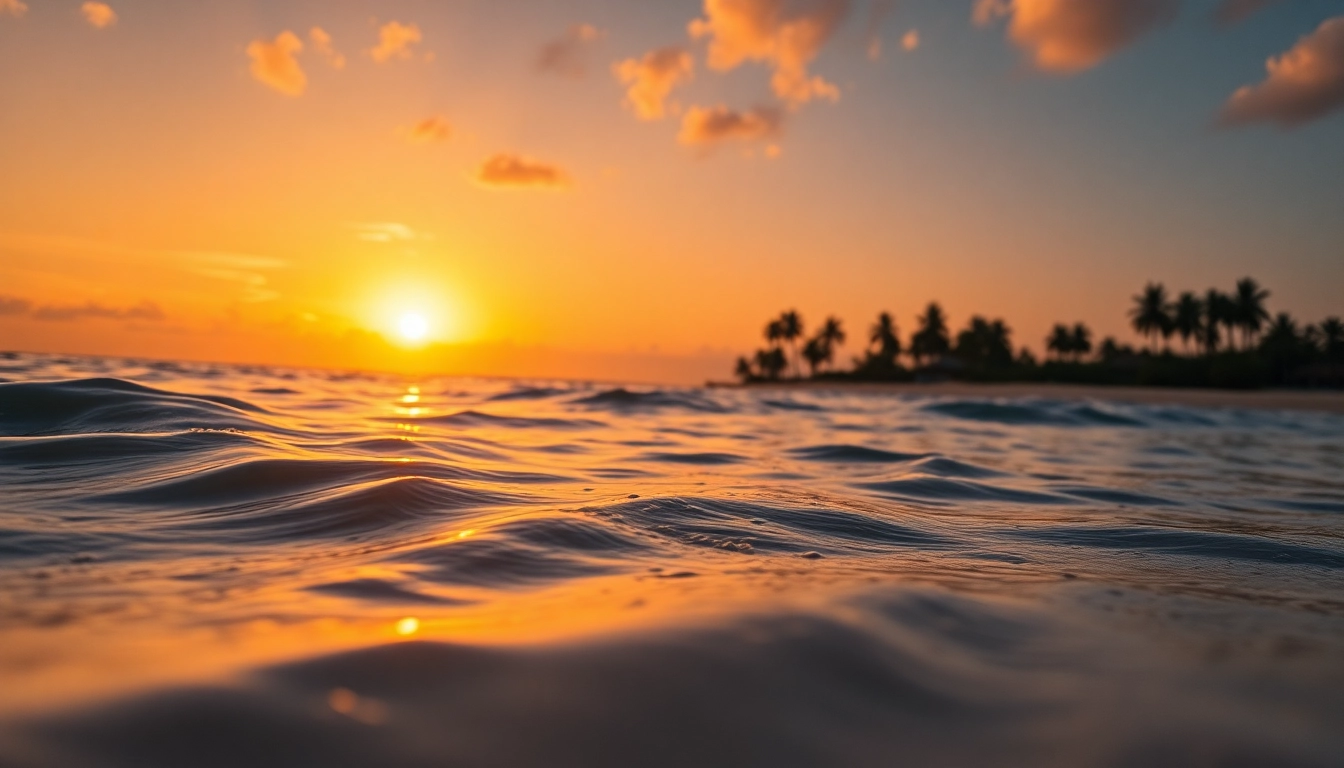
Understanding composition rules, like the rule of thirds and leading lines, can significantly improve the visual appeal of photographs. Additionally, lighting plays a pivotal role. Golden hour—shortly after sunrise or before sunset—offers soft, diffused light, ideal for capturing stunning landscapes and portraits. Experimenting with backlighting can also produce striking images with creative silhouettes.
Incorporating Local Culture and People
Images that highlight the culture and daily life of a destination can create powerful connections with viewers. Engaging with locals, whether through candid portraits or documenting traditions, adds authenticity and dimension to your work. Always be respectful and seek permission when photographing individuals or culturally significant sites.
Using Natural Landscapes to Enhance Stories
Letting the landscape tell part of the story requires an understanding of the environment and how it interacts with subjects. Framing subjects using natural elements—trees, mountains, or local architecture—can create depth and lead the viewer’s eye throughout the frame. Catalyzing atmosphere through settings can be crucial in conveying the essence of a destination.
Building Your Brand as a Destination Photographer
In a competitive field, establishing a robust personal brand is essential for success. This means not only delivering exceptional photography but also creating a unique identity that resonates with your target audience.
Creating an Engaging Portfolio
Your portfolio should represent your best work, showcasing a diverse range of subjects and styles. Curate your images to reflect your artistic vision while ensuring consistency in quality. Include descriptions that highlight the story behind each photograph, helping potential clients understand your perspective and expertise. Utilize online platforms to create an easy-to-navigate, visually appealing presentation.
Marketing Your Services Effectively
Promoting your services involves both online and offline strategies. Utilize social media platforms by sharing engaging content, behind-the-scenes glimpses, and client testimonials. SEO-optimized blogs about your travels can drive traffic to your website, showcasing your expertise. Networking at travel expos or events allows you to connect with potential clients and industry professionals. Establishing partnerships with local businesses can enhance visibility and create mutual benefits.
Networking with Travel Communities
Networking is a fundamental component of building a career as a destination photographer. Joining travel photography groups, attending workshops, and collaborating with fellow photographers allows for knowledge sharing, inspiration, and exposure. Online platforms provide opportunities to engage with a broader audience, enabling the exchange of ideas and experiences. Consider participating in community-driven platforms to share your journeys and insights with aspiring photographers.
Common Challenges and How to Overcome Them
Like any profession, destination photography comes with its own set of challenges. Recognizing these hurdles and developing strategies to overcome them can help sustain your creativity and success.
Dealing with Unpredictable Weather
Weather can drastically affect shoots, often turning a well-planned session into a logistical puzzle. Always check forecasts ahead of time, but be prepared to adapt. Invest in weather-resistant gear, and consider shooting in varying conditions, utilizing dramatic skies or unexpected lighting to enhance photos. Embracing the elements can lead to uniquely captivating images.
Managing Client Expectations
Understanding and managing client expectations from the outset is crucial. Clear communication about what can be delivered and discussing styles, timelines, and prices helps set the right tone. Create contracts that outline deliverables, and stay in touch during the project to reassure clients. Ensuring clients’ needs are met while maintaining your artistic vision creates a strong foundation for professional relationships.
Staying Motivated During Downtimes
Slumps in work or travel can affect motivation. Keeping a creative routine, engaging in personal projects, and seeking inspiration through other artists can help reignite passion. Use quieter periods for skill development, whether through online courses or experimentation with new techniques. Setting achievable goals can also provide a sense of accomplishment, fueling motivation.
Frequently Asked Questions
1. What is a destination photographer’s main role? A destination photographer captures stunning travel-related images that tell a story and promote tourism in various locales.
2. What equipment do I need to start? You’ll need a quality camera, lenses, a tripod, and essential accessories like filters and extra batteries.
3. How can I create a unique portfolio? Focus on showcasing a diverse range of locations and styles, highlighting your artistic vision and expertise.
4. What are the best locations for destination photography? Popular destinations vary, but unique landscapes, cultural hotspots, and serene beaches are ideal.
5. How can I promote my services? Utilize social media, attend travel expos, and collaborate with travel blogs and influencers to gain visibility.