Introduction to Florida Hurricane Damage
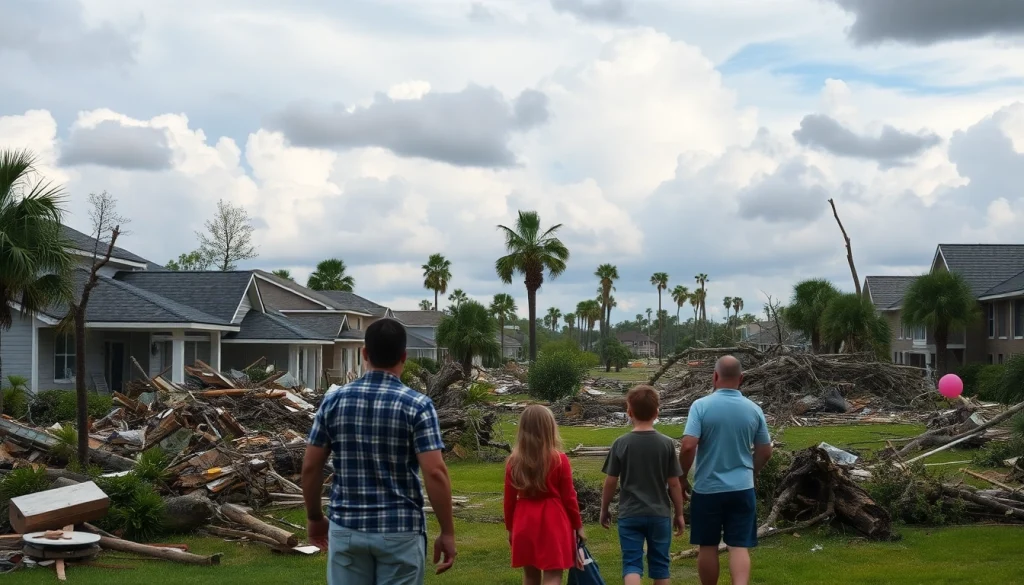
Florida is no stranger to the ravaging impacts of hurricanes. With its tropical climate and extensive coastline, the state finds itself in the path of several significant storms each year. The repercussions of these natural disasters extend far beyond immediate destruction, affecting infrastructure, economy, and community well-being. Understanding Florida Hurricane Damage involves exploring the causes, consequences, and the measures necessary for recovery and resilience.
Understanding Hurricane Damage Categories
Hurricanes are classified into categories based on their sustained wind speeds, as determined by the Saffir-Simpson Hurricane Wind Scale. This classification significantly impacts the type and extent of damage caused:
- Category 1: Winds from 74-95 mph cause minimal damage, primarily to unanchored homes, trees, and power lines.
- Category 2: Winds from 96-110 mph can cause moderate damage, including substantial roof loss and uprooting trees.
- Category 3: Winds from 111-129 mph result in devastating damage, leading to the destruction of weakly constructed buildings and major damage to trees and power lines.
- Category 4: Winds from 130-156 mph cause catastrophic damage with severe damage to well-built homes, high winds uprooting trees, and power outages lasting weeks or months.
- Category 5: Winds 157 mph and higher cause catastrophic damage, with a high percentage of framed homes destroyed, and complete roof failure.
The Economics of Hurricane Damage in Florida
The financial implications of hurricanes in Florida are significant. Cost assessments typically encompass direct damages, such as those to personal property and public infrastructure, and indirect damages, which can include economic downturn due to loss of jobs and business closures. For instance, a report indicated that Hurricane Milton resulted in approximately $100 billion of economic damage, highlighting the extensive reach of such disasters and the financial burden they impose on affected communities.
Why Florida is Prone to Severe Hurricane Damage
Several factors contribute to Florida’s vulnerability to hurricanes:
- Geographical Location: Positioned in the southeastern United States, Florida is exposed to warm waters of the Atlantic and the Gulf of Mexico, creating favorable conditions for hurricanes.
- Tropical Climate: The state’s warm climate provides prolonged hurricane seasons from June to November, leading to an increased number of storms.
- Infrastructure: Many areas, especially coastal regions, have extensive development that is often unprepared for extreme weather events, leading to higher vulnerability and damage rates.
Recent Hurricanes and Their Impact on Florida
Case Studies of Hurricane Helene and Milton
Hurricane Helene and Hurricane Milton serve as pertinent case studies to examine Florida’s experience with hurricane damage. Hurricane Helene was a powerful storm that led to catastrophic damage across the southeast, showcasing the widespread impact of strong winds and flooding on both communities and ecosystems. Comparatively, Hurricane Milton, categorized as a Category 3 storm, led to devastating injuries and significant damages across Florida’s East Coast, emphasizing both immediate and long-lasting impacts that hurricanes impose.
Long-term Effects of Florida Hurricane Damage on Communities
The long-term consequences of hurricane damage on Florida communities are often profound. Post-hurricane, many communities face challenges such as displacement, loss of livelihood, and prolonged psychological effects among residents. Infrastructure recovery can take years, affecting public services, education, and local economies. The economic ramifications highlight the need for strategic planning and investment in resilient infrastructure.
Emergency Responses and Preparedness Planning
Competent emergency responses are critical during hurricane seasons. Florida’s state and local governments have developed comprehensive preparedness plans that include evacuation routes, resource allocation, and communication strategies. Community participation in these plans enhances their effectiveness and ensures that residents understand their roles during an emergency, ultimately reducing the extent of damage and loss of life.
Assessing the Damage from Florida Hurricanes
Methods for Evaluating Hurricane Damage
Evaluating hurricane damage accurately is vital for effective recovery efforts. Assessment methods include aerial surveys, ground inspections, and satellite imagery. These techniques help to determine the extent of the damage, prioritize resources for recovery, and inform policy decisions regarding rebuilding efforts.
The Role of Technology in Damage Assessment
Technological advancements have transformed damage assessment practices. Drones, for example, can easily access hard-hit areas, providing real-time data that traditional assessment methods may miss. This technology aids emergency responders in forming quick, efficient recovery plans.
Common Challenges in Damage Analysis
Despite technological advancements, damage analysis is fraught with challenges. Limited access to certain areas post-hurricane can hinder assessments, while data discrepancies among different organizations can complicate recovery planning. Addressing these challenges requires coordinated efforts among local, state, and federal agencies to ensure comprehensive evaluations.
Restoration and Recovery Efforts After Florida Hurricane Damage
Community Involvement in Restoration Projects
Community engagement plays a pivotal role in restoration efforts. Grassroots organizations often mobilize volunteer efforts to assist in rebuilding. These community-driven initiatives foster resilience and ensure that recovery efforts are tailored to the specific needs of affected populations.
Federal and State Assistance Programs
Federal and state programs provide necessary assistance for recovery. Programs like FEMA federal disaster assistance and state grants are essential for providing resources and funding for rebuilding efforts. It is crucial for residents to navigate these options effectively to maximize the benefits available to them.
Best Practices for Homeowners in Recovery
Homeowners can take proactive steps to facilitate recovery after hurricane damage:
- Documentation: Keep detailed records of damages and initial repair costs for insurance claims.
- Local Resources: Use local resources and organizations for support and guidance in the recovery process.
- Building Codes: Familiarize oneself with updated building codes to ensure that repairs are compliant and bolster resilience against future storms.
Future of Florida’s Resilience Against Hurricane Damage
Innovative Technologies for Mitigation
As climate change contributes to the severity of hurricanes, innovative technologies must be embraced to mitigate future damage. For instance, predictive modeling software can forecast the potential path and impact of storms, allowing for better preparedness and response plans. Investments in resilient infrastructure and smart city planning will also promote long-term community resilience.
Policy Recommendations for Better Recovery
To improve recovery outcomes, policymakers must focus on comprehensive strategies that promote sustainability and resilience. Measures may include enhancing building codes, incentivizing storm-proof designs, and investing in public awareness campaigns about hurricane preparedness. Such proactive policies can help communities not only recover but thrive in the face of adversity.
Building Stronger Communities: Lessons Learned
The ongoing experience of hurricane recovery in Florida has underscored valuable lessons about community strength and resilience. Collaborative planning and community involvement have proven effective in rebuilding efforts. As Florida anticipates future hurricane seasons, these principles must remain at the forefront of strategies to mitigate damage and enhance recovery.