
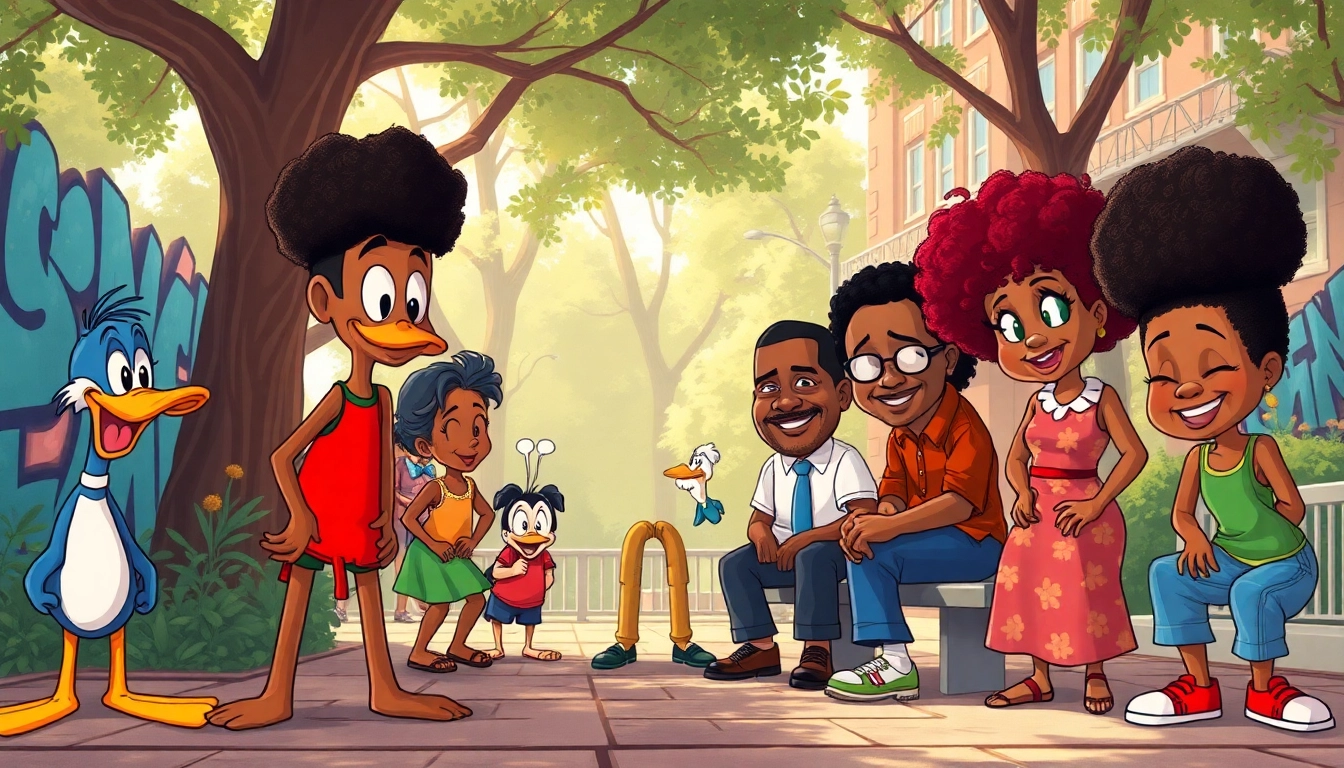
The Evolution of African American Cartoons
The journey of African American cartoons reflects a rich tapestry of history, culture, and creative expression that has evolved significantly over the decades. From the early days when black characters were often marginalized or portrayed through stereotypes, to the contemporary era where representation is celebrated and normalized, the landscape of animation has transformed. African American Cartoons have played a pivotal role in shaping narratives that resonate with audiences of all ages.
Historical Milestones in Animation
The history of African American animation dates back to the early 20th century. Notably, characters such as "Bingo" became the first black cartoon character to appear in a film. However, it wasn't until the 1970s and 80s that significant advancements were made. Shows like "Fat Albert and the Cosby Kids," created by Bill Cosby, introduced young audiences to relatable characters grappling with real-life issues.
Another milestone was "The Boondocks," which aired in 2005. Created by Aaron McGruder, this series was groundbreaking in its approach to racial and social commentary, reflecting the complexities of contemporary African American life.
Influential Black Creators and Their Impact
Black creators have significantly influenced the animation industry, often overcoming barriers to tell stories from their unique perspectives. Characters such as Huey and Riley Freeman from "The Boondocks" were not just entertaining; they sparked discussions on racism, identity, and cultural pride.
Figures like Bruce W. Smith, who created "The Proud Family," and Carl Jones, known for his work on both "The Boondocks" and "Black Dynamite," have contributed to the rich narrative landscape of African American cartoons. Their work has paved the way for new generations of creators.
How African American Cartoons Reflect Cultural Narratives
African American cartoons often serve as a cultural mirror, showcasing stories that resonate with the black community while educating broader audiences. Shows like "Doc McStuffins" not only entertain children but also affirm the importance of representation, as the titular character, a young black girl, is depicted as a doctor—a profession historically underrepresented in children's media.
Moreover, contemporary series like "Craig of the Creek" emphasize community and friendship, allowing children of color to see themselves in lead characters who navigate similar life experiences while promoting positive moral lessons.
Iconic Characters and Series to Watch
As the landscape of animated content rapidly expands, it is essential to appreciate both iconic characters that laid the groundwork and modern series that continue to redefine the genre. From nostalgic classics to contemporary hits, the variety of African American cartoons makes it easier for viewers to find stories that resonate with them.
Legendary Characters from the 90s and 2000s
- Huey and Riley Freeman: The main characters of "The Boondocks," they challenge racial stereotypes and societal norms through humor and sharp storytelling.
- Penny Proud: The star of "The Proud Family," who deals with teenage issues in a comedic yet relatable way, representing the complexities of growing up as a black girl.
- Static Shock: A groundbreaking superhero series featuring a black teenager with electromagnetic powers, addressing real-world issues like racism and bullying.
Modern Hits Redefining Animation
- Young Justice: Featuring black superheroes such as Black Lightning and Green Lantern, this series showcases diverse characters who are integral to the larger DC Universe.
- Big Mouth: While primarily a comedy, it includes characters that represent various cultures and backgrounds, with recurring themes involving race and identity.
- Steven Universe: This show is notable for its inclusivity, featuring a diverse cast and addressing themes of gender identity and acceptance.
Comparison of Classic vs. Contemporary Styles
When comparing classic African American cartoons to contemporary ones, the most notable difference lies in the approach to storytelling and character development. Older cartoons often relied heavily on stereotypes, while modern animations strive for more nuanced portrayals of black characters.
For instance, while "The Jetsons" created characters of color that were often caricatures, series such as "The Amazing World of Gumball" incorporate varied backgrounds seamlessly, making diversity a part of the narrative fabric rather than an afterthought.
Representation and Diversity in Animation
The significance of representation in animation cannot be overstated. It shapes perceptions, influences self-identity, and fosters understanding among diverse audiences. The powerful narratives and visually engaging content in African American cartoons play a crucial role in promoting this representation.
The Importance of Representation for Children
Children's media significantly influences how young viewers perceive themselves and others. African American cartoons that feature black protagonists provide vital role models, fostering a positive sense of identity. By seeing characters that look like them succeed and overcome obstacles, children gain confidence and a vision of what they can achieve.
Critiques of Stereotypes in Traditional Cartoons
While the animation industry has made progress, critiques around the portrayal of black characters remain relevant. Traditional cartoons often relied on stereotypes that did not represent the full range of black experiences. The challenge for creators is to break away from these stereotypes and present multifaceted characters that capture the richness of African American culture.
Successful Shows Promoting Positive Representation
- Doc McStuffins: Celebrated for its positive portrayal of a young black girl in a medical profession, it encourages young viewers to aspire regardless of societal expectations.
- Motown Magic: This show combines music and animation to illustrate the importance of creativity and cultural heritage, contributing to children's understanding of their roots.
- Black Panther: The Animated Series: Following the acclaim of the film, the animated series introduces young viewers to themes of leadership, resilience, and community.
Educational Benefits of African American Cartoons
The educational value of African American cartoons transcends mere entertainment; they provide a medium through which children can learn and explore important social themes. Many contemporary animated series are designed not just to amuse but to educate.
Learning Through Entertainment: Case Studies
Shows like "Sesame Street," while not exclusively African American, often feature diverse characters and tackle real-world issues, teaching children about inclusion, empathy, and diversity. "The Proud Family" offers life lessons on family, friendship, and cultural pride through its engaging narratives.
Recommended Shows for Educational Value
- Doc McStuffins: Addresses health awareness and empathy through the story of a girl who can heal toys.
- Black History Is Happening Now!: This series encourages children to explore their heritage and the significance of historical events impacting the black community today.
- Gracie’s Corner: Combines music and education, focusing on teaching preschoolers foundational concepts like numbers, shapes, and social skills.
Strategies for Parents to Use Cartoons as Teaching Tools
Parents can enhance the learning experience from these shows by engaging their children in discussions about the themes presented. For example:
- Ask open-ended questions about the characters and their experiences.
- Encourage children to identify and share their feelings about the content presented.
- Teach children to draw connections between the lessons in the cartoons and their own lives.
The Future of African American Animation
The future of African American animation looks promising, with growing interest in diverse storytelling and characters. Streaming platforms are playing a key role in this evolution, allowing for greater visibility and reach of African American cartoons.
Trends to Watch in 2026 and Beyond
As we move forward into 2026, several trends may significantly shape the future landscape of African American cartoons:
- Increased Digital Platforms: As online platforms continue to thrive, expect an increase in content specifically targeting African American audiences.
- Collaborations and Crossovers: Collaborations between creators from different backgrounds are likely to bring fresh narratives and innovative styles.
- Focus on Cultural Heritage: A growing trend towards exploring cultural roots through animated storytelling will resonate with audiences young and old.
The Role of Streaming Services in Promotion
Streaming services like Netflix, Hulu, and Disney+ are becoming essential in promoting African American cartoons. By commissioning original content that prioritizes diverse narratives, these platforms are helping to elevate voices that have traditionally been overlooked in mainstream animation.
Emerging Creators and Innovative Projects
New generations of black animators and storytellers are emerging, bringing fresh ideas and innovative projects to the forefront. Initiatives that support diversity in animation, such as mentorship programs and fellowships, are paving the way for underrepresented voices, ensuring that the future of African American cartoons remains vibrant and representative.