The Everest Base Camp Trek is one of the world's most iconic trekking adventures. For many travelers, standing at the foot of the highest mountain on Earth is a lifelong dream. While the trek is certainly challenging, it is often misunderstood as something only experienced mountaineers can accomplish. In reality, thousands of first-time trekkers reach Everest Base Camp every year with the right preparation.
Unlike technical climbing expeditions, the trek does not require mountaineering skills, ropes, or previous climbing experience. What it does require is good physical preparation, a sensible pace, proper acclimatization, and realistic expectations. Success depends far more on planning than on athletic ability.
If you are considering your first Himalayan adventure, understanding what to expect before you arrive can make the experience safer, more comfortable, and far more enjoyable. This guide explains how first-time trekkers can prepare for the Everest Base Camp Trek and confidently take on one of Nepal's most unforgettable journeys.
1. Understand What the Trek Really Involves
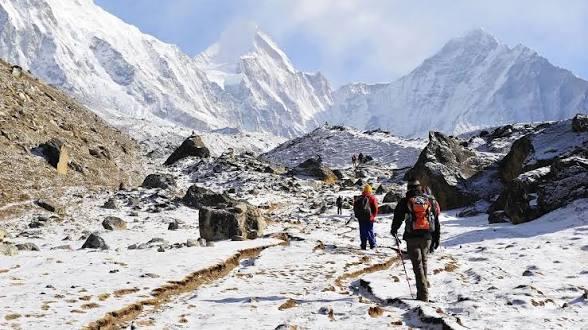
Many beginners assume the trek is a mountain climbing expedition. It is not. The trail follows established walking paths through Sherpa villages, forests, suspension bridges, and high alpine valleys. Still, it is physically demanding because of the long daily walking hours, steep ascents and descents, high altitude, cold temperatures, and basic accommodation in remote areas.
Most itineraries take 12 to 14 days, including acclimatization days, with daily walking ranging from 5 to 8 hours depending on the route. Knowing what the trek actually involves helps set realistic expectations before you begin training.
2. Build Your Fitness Before the Trek
You do not need to be an athlete to complete the trek, but you should have a reasonable level of fitness. Ideally, begin preparing 8 to 12 weeks before your trip, focusing on cardiovascular endurance, leg strength, core stability, balance, and recovery. Good training activities include hiking local trails, stair climbing, cycling, swimming, jogging, and brisk walking with a loaded backpack. If possible, practice walking for several hours on consecutive days, since this prepares your body better than short gym workouts alone. Above all, consistency matters more than intensity.
3. Choose the Best Time to Trek
Choosing the right season makes a significant difference, especially for first-time trekkers. Spring, from March to May, offers comfortable temperatures, blooming rhododendron forests, and excellent mountain views. Autumn, from September to November, brings stable weather, clear skies, and outstanding visibility after the monsoon, and many guides consider it the best time for first-timers.
Winter, from December to February, offers quieter trails but colder nights, and snow may occasionally affect higher sections of the route. The monsoon, from June to August, brings heavy rainfall and occasional flight delays, making it the least popular season for beginners. For most first-time trekkers, spring and autumn provide the most comfortable overall experience.
4. Pack Smart Instead of Packing Heavy
One of the most common beginner mistakes is bringing too much equipment. Every unnecessary item becomes extra weight that you must carry or pay to have carried. Focus on essential gear instead: moisture-wicking base layers, insulating mid-layers, a waterproof jacket and pants, comfortable trekking boots, a warm hat and gloves, sunglasses, a sleeping bag, trekking poles, a headlamp, water bottles, personal medications, and a basic first aid kit. Use the layering system rather than packing bulky clothing, and keep your backpack light — it makes long trekking days far easier.
5. Learn About Altitude Before You Arrive
The biggest challenge on the trek is usually altitude rather than distance. As elevation increases, the air contains less oxygen, and your body needs time to adjust — which is why proper itineraries build in acclimatization days instead of climbing continuously.
Common symptoms of mild altitude sickness include headache, loss of appetite, difficulty sleeping, fatigue, and mild dizziness. Walking slowly, drinking plenty of water, eating regular meals, avoiding alcohol, and never rushing to gain altitude all reduce the risk. Understanding altitude before your trek helps you recognize symptoms early and respond appropriately instead of ignoring them.
6. Take Acclimatization Days Seriously
Many first-time trekkers are eager to reach Everest Base Camp as quickly as possible. However, rushing the itinerary increases the risk of altitude sickness and can shorten your trek if symptoms become severe. Acclimatization days are built into most itineraries for a reason: these rest days let your body adjust to the thinner air while you stay active with short hikes to higher elevations before returning to sleep at a lower altitude.
During acclimatization days, walk at a relaxed pace, stay well hydrated, eat nutritious meals even if your appetite decreases, and monitor how you feel while communicating any symptoms to your guide. Acclimatization is not lost time — it is an investment in your safety that increases your chances of successfully completing the trek.
7. Hire an Experienced Guide
Although independent trekking is possible in some regions of Nepal, many first-time trekkers benefit greatly from an experienced guide. A knowledgeable guide does much more than lead the way: they monitor your health, watch for signs of altitude sickness, set a comfortable pace, and help manage unexpected situations such as weather delays. Many trekkers also hire a porter, since carrying a lighter daypack allows you to conserve energy and enjoy the journey more comfortably.
8. Pace Yourself Every Day
One of the most common mistakes first-time trekkers make is walking too fast during the first few days. At higher elevations, conserving energy matters far more than maintaining speed. A steady, comfortable pace reduces fatigue, improves breathing, and helps you adjust more effectively to altitude.
Take short breaks when needed, drink water regularly, and avoid comparing your pace with other trekkers, since everyone adjusts to altitude differently. Reaching your destination safely is far more important than arriving quickly.
9. Prepare for Basic Mountain Accommodation
Tea houses along the route provide comfortable places to rest, but they are much simpler than city hotels. Most offer twin-sharing rooms, shared dining areas, and shared toilets, with limited heating outside the dining room. Basic charging is usually available, sometimes for a fee, and Wi-Fi is offered in many villages, though speeds vary. Bringing a warm sleeping bag, a power bank, and a few personal comfort items can make your evenings much more enjoyable.
10. Stay Flexible During Your Trek
Mountain travel is unpredictable. Weather conditions, especially around Lukla, can affect flight schedules, and trail conditions may also change due to rainfall, snow, or maintenance work. Building flexibility into your plans helps reduce unnecessary stress. Whenever possible, include one or two extra days in your itinerary, purchase travel insurance that covers trekking and emergency evacuation, keep family informed of your plans, and listen to your guide if adjustments become necessary.
Practical Tips for First-Time Everest Base Camp Trekkers
If this is your first Himalayan trek, a few simple habits can make a big difference. Train consistently for at least two months before departure, and break in your trekking boots well before the trip. Pack light, bring only essential gear, and follow the itinerary without skipping acclimatization days.
Drink plenty of water, eat regular meals even if your appetite decreases at altitude, and protect yourself from the sun with sunscreen, sunglasses, and a hat. Walk at your own pace rather than keeping up with faster trekkers, carry a power bank for your devices, and, most importantly, enjoy the journey and not just the destination.
Conclusion
The Everest Base Camp Trek is an achievable goal for many first-time trekkers. While physically demanding, it does not require technical climbing experience or exceptional athletic ability. Success comes from thoughtful preparation, a sensible itinerary, and a willingness to trek at a steady pace.
Preparing your body through regular exercise, packing the right equipment, understanding altitude, and choosing the right season all contribute to a safer, more enjoyable experience. Equally important is listening to your body, respecting the mountains, and remaining flexible when conditions change.
For many people, the trek is about much more than reaching Base Camp. It is an opportunity to experience Sherpa culture, walk through spectacular Himalayan landscapes, and challenge yourself in one of the world's most remarkable trekking destinations. With realistic expectations, careful planning, and the right support, your first trek to Everest Base Camp can become an unforgettable adventure — and the beginning of many more mountain journeys.