Understanding Soft Washing: What You Need to Know
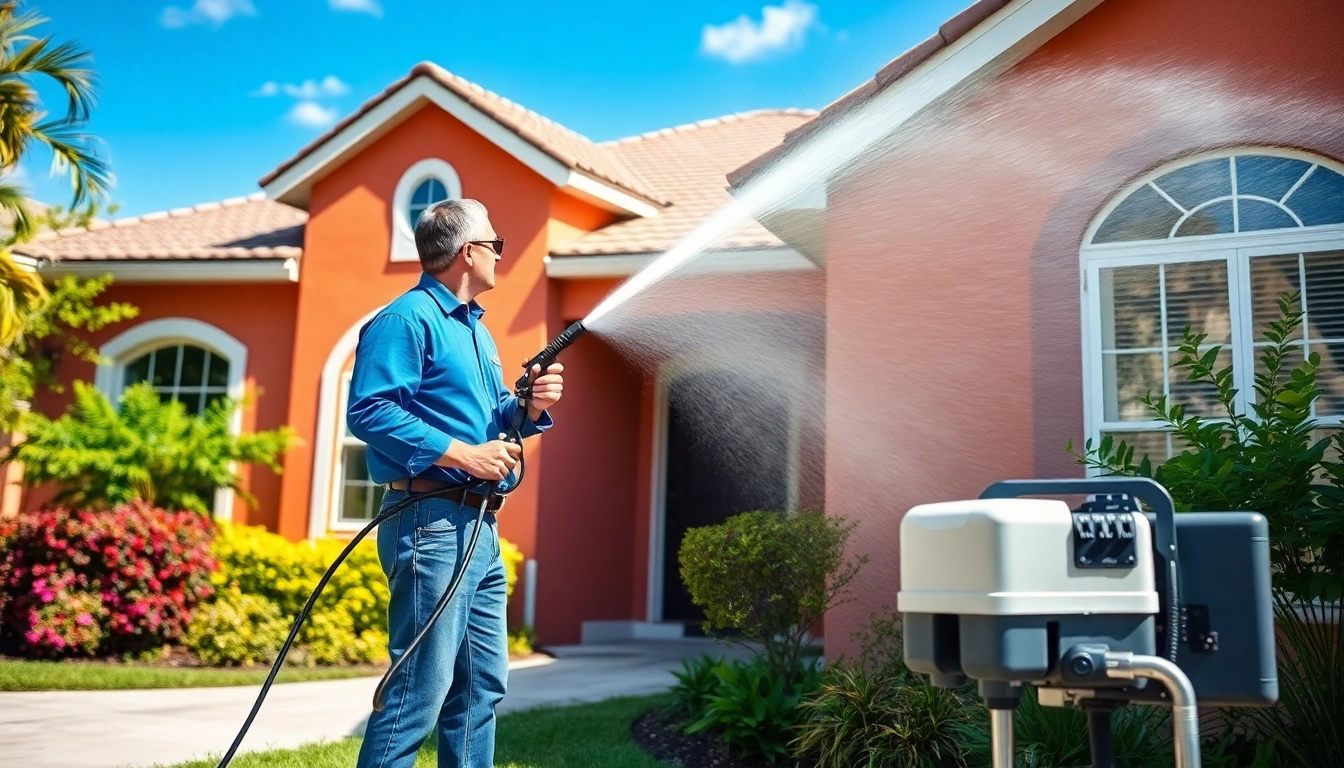
When it comes to maintaining the appearance and longevity of your home, the exterior cleaning method you choose can make all the difference. One increasingly popular option is soft wash, a technique that utilizes low pressure and specialized cleaning solutions to safely eliminate dirt, mold, algae, and other debris from surfaces. In this section, we'll dive deeper into the fundamentals of soft washing, its advantages for homeowners, and address some common misconceptions.
What is Soft Washing?
Soft washing is a gentle cleaning method that utilizes low-pressure water along with eco-friendly chemicals specifically designed to break down organic materials like mold, mildew, algae, and grime. Unlike traditional pressure washing, which relies on high-pressure water jets, soft washing effectively cleans surfaces without the risk of damage that can occur to roofs, siding, and other delicate materials. This method is especially effective for cleaning roofs, wood siding, and painted surfaces where high pressure isn’t appropriate.
Benefits of Soft Washing for Homeowners
- Prevents Damage: By using low-pressure techniques, soft washing minimizes the risk of damaging your home's exterior.
- Long-lasting Results: The specially formulated cleaning solutions work to not only clean but also inhibit the regrowth of mold and algae, resulting in a cleaner surface for a longer period.
- Eco-Friendly: Soft washing employs biodegradable cleaning products, making it a safer choice for your family and the environment.
- Improves Curb Appeal: A clean exterior enhances your home's appearance and increases its value, making it more attractive to potential buyers.
Common Myths about Soft Washing
Despite its growing popularity, there are several misconceptions about soft washing:
- It’s Just Pressure Washing: Many believe soft washing is merely a low-pressure version of pressure washing, but the methods and equipment used are distinct.
- It’s Less Effective: Some homeowners think soft washing won't clean as well as pressure washing, yet the chemical solutions and techniques effectively tackle stubborn organic growth.
- All Soft Washes Are the Same: Not all soft washing treatments are created equal; quality, expertise, and equipment play significant roles in the results.
Soft Wash vs. Traditional Pressure Washing: Key Differences
Choosing between soft washing and traditional pressure washing can be challenging, particularly when both have their own merits. Understanding the critical differences can help you make an informed decision for your property.
Safety Considerations for Soft Wash
One of the primary advantages of soft washing is its safety profile. High-pressure water can damage surfaces like wood, shingles, and certain types of siding, which can be costly to repair. Soft washing, on the other hand, is designed to clean without causing harm. This makes it particularly suitable for older homes or properties with delicate exteriors.
Cost Analysis: Soft Wash vs. Pressure Wash
While the costs can vary depending on several factors, such as the size of your property and the level of dirt buildup, soft washing typically ranges between $0.20 and $0.80 per square foot. In comparison, pressure washing can sometimes be less expensive initially but may require more frequent cleanings due to shorter-lasting results. Ultimately, investing in soft washing can be more cost-effective in the long run due to its enduring effects.
Which Method is Right for Your Property?
Determining whether soft washing or traditional pressure washing is appropriate depends on the surfaces you need to clean. If your home has delicate materials or is prone to mold and algae growth, opting for soft washing is advisable. Conversely, if you're dealing with tough stains on concrete or brick, pressure washing might be the better option. Consulting with a professional can provide clarity and tailored recommendations.
Materials and Equipment Needed for Effective Soft Washing
To achieve the desired results when soft washing, having the right materials and equipment is critical. Below are the essentials for a successful soft washing operation.
Essential Gear for Soft Washing
- Soft Wash Pump: Essential for applying the cleaning solution at low pressure, it ensures even coverage without damaging surfaces.
- Low-Pressure Nozzles: These specialized nozzles help regulate the flow of water for safe and effective cleaning.
- Protective Gear: Safety goggles, gloves, and masks are necessary to protect yourself from the chemicals used.
- Water Tank: Often needed for large jobs, a water tank supplies the necessary water without relying entirely on a garden hose.
Choosing Biodegradable Cleaning Solutions
Selecting the right cleaning solutions is vital for effective soft washing. Biodegradable products are recommended as they are safer for the environment and your property. They work to break down organic material without leading to harmful runoff. Always ensure the cleaning solutions are appropriate for the surfaces you intend to treat.
Best Practices for Equipment Maintenance
Proper maintenance of your soft washing equipment can prolong its life and ensure optimal performance:
- Regularly clean hoses and nozzles to prevent clogs.
- Inspect pumps for leaks and functionality.
- Store equipment in a dry, shaded area to protect it from weather damage.
- Follow manufacturer guidelines for servicing and repairs.
Step-by-Step Guide to Soft Washing Your Home
If you're considering soft washing your home, following a systematic approach can lead to better results. Here’s a simplified guide:
Preparing Your Home for a Soft Wash
Before you begin, ensure you have all necessary equipment and cleaning solutions on hand. Remove any furniture or items from the area to be cleaned, and cover plants or delicate items that could be affected by the cleaning solutions.
Executing the Soft Wash Technique
Start by mixing your cleaning solution according to the manufacturer's instructions. Using your soft wash pump and low-pressure nozzle:
- Apply the solution to the surface, starting from the top and working your way down.
- Let the solution sit for the recommended duration to allow it to break down stains.
- Rinse the surface with clean water, ensuring all cleaning agents are thoroughly washed away.
Post-Cleaning Care and Maintenance
After soft washing, inspect the surfaces for any missed spots or remaining stains. If necessary, a second application of the cleaning solution may be required. Additionally, consider applying a protective sealant to enhance longevity against future stains and growth.
Future Trends in Soft Washing: What to Expect in 2025
The soft washing industry is evolving rapidly, with new technologies and methods emerging. Here are some anticipated trends for 2025:
Advancements in Soft Wash Technology
As technology advances, equipment for soft washing is likely to become more efficient and user-friendly. Expect to see innovations in pumps and nozzles that offer better control and coverage.
Increasing Eco-Consciousness Among Consumers
With growing environmental awareness, consumers are increasingly seeking eco-friendly cleaning solutions. The demand for biodegradable and plant-based cleaning agents will likely expand, encouraging companies to adopt sustainable practices.
Market Growth and Industry Predictions
The soft washing market is expected to continue its upward trajectory. As more homeowners recognize the benefits of soft washing, particularly for preserving property value, the industry is poised for significant growth.